Amazon is full of AI books and everyone earns less
AI-made books are 20 per cent of Amazon's self-published catalogue and account for 12 per cent of sales. Revenue per book is falling in seven of the eight genres, including for titles written by a human. The news touches on a question many business owners ask themselves: what is your work still worth when the market fills up?

Every article links to its source, so you can check it yourself.
What is happening on Amazon
A new study, described by The Decoder, looked at self-published books on Amazon. AI-made titles make up 20 per cent of the catalogue and take 12 per cent of sales. In seven of the eight genres, revenue per book is falling.
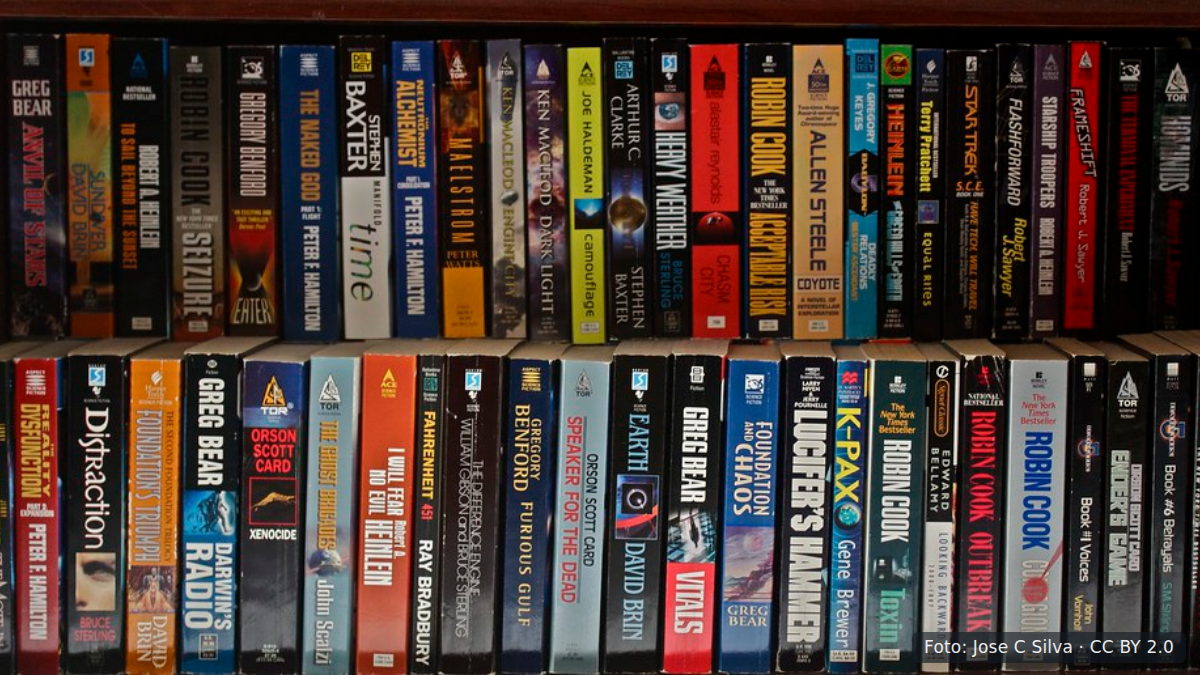
That drop also hits the writers who spent months on their books. Their book is still there. It simply sits further back, among titles made in an afternoon. The shelf is full.
Volume is not a plan
AI has made one thing cheap: making more. If you bet on that, you compete with everyone else who can do the same. There are many of them, and there are more every week. The price that goes with a market like that falls all by itself.
Outside the book world, you see the same thing. If you make images, you lose commissions to pictures from a generator. If you want to stay visible on LinkedIn, you disappear among ten posts a day from people who no longer write anything themselves. It is rarely about quality. It is about shelf space.
What this means if you run your own business
Self-employed people search in the evening for two kinds of question. What does outsourcing marketing cost, because the agency gets more expensive every year. And how do I hire a virtual assistant, because the admin eats up the evenings.
Do that sum properly. Take your bank statements for the past twelve months and add up what goes out on tools, subscriptions and outsourced work. Next to it, put how many hours it really saves you.
Also look at what you outsource. Work nobody sees, such as preparing a quote, sorting email or resending an invoice, can go to a machine without any fuss. Work that carries your name stays yours.

What you can do with this tomorrow
Three things you can do today:
- Pick one piece of work you will never hand over. Your craft, your advice to a client, your own design. Your name goes on it, and you won't get faster at it.
- Put technology on the invisible work. Quotes, reminders, scheduling, admin. That is where it saves time without diluting your craft.
- Work out what your outsourced work costs before you cancel or sign anything. Calculate first, then decide. If you skip that, you keep paying for years for something that once seemed logical.
Amazon shows what happens when a market runs on volume alone: everyone makes more and everyone earns less.
We take over the invisible work with automations and AI workers. You decide what goes out, and you keep the work that carries your name in your own hands.
Questions about this topic
So am I not allowed to use AI for my texts at all?
Of course you are. The difference lies in what for. Let a machine sort your email, prepare your quote or draft a first version that you then rewrite yourself. Don't publish anything with your name on it that you wouldn't be willing to read aloud yourself.
Is my trade filling up too, like the book market?
In any trade where the end product is a file, such as text, images, music or video, more supply is coming in. Where you have to be physically present, on site or at a table with a client, that happens far less. Look at where your own work falls in that picture and spend your time there.
How do I know whether outsourcing is still paying off for me?
Add up what you pay each year for tools and outsourced work, and put next to it how many hours it really saves you. If you end up with a lot of money for few hours, you are paying for habit. It is a twenty-minute calculation, not a strategy project.
More news
- 14 November 2026 · Eventplanner.nlAI platforms are visiting your website. Work out what it costs firstAI platforms read your website alongside your customers. Here is how to work out what that traffic costs you and what it brings in.
- 14 November 2026 · The DecoderChatGPT Wallet: soon an assistant pays on your customer's behalfChatGPT Wallet lets an assistant handle checkout. What that means for the cost of running a webshop and for what you keep per order.
- 13 November 2026 · EmerceYour cookie banner is there, and your site is sending data anywayThree quarters of large European webshops send visitor data before the cookie choice. Here is how to check your own site in a few minutes.