Brussels now calls ChatGPT a search engine. That affects how clients find you
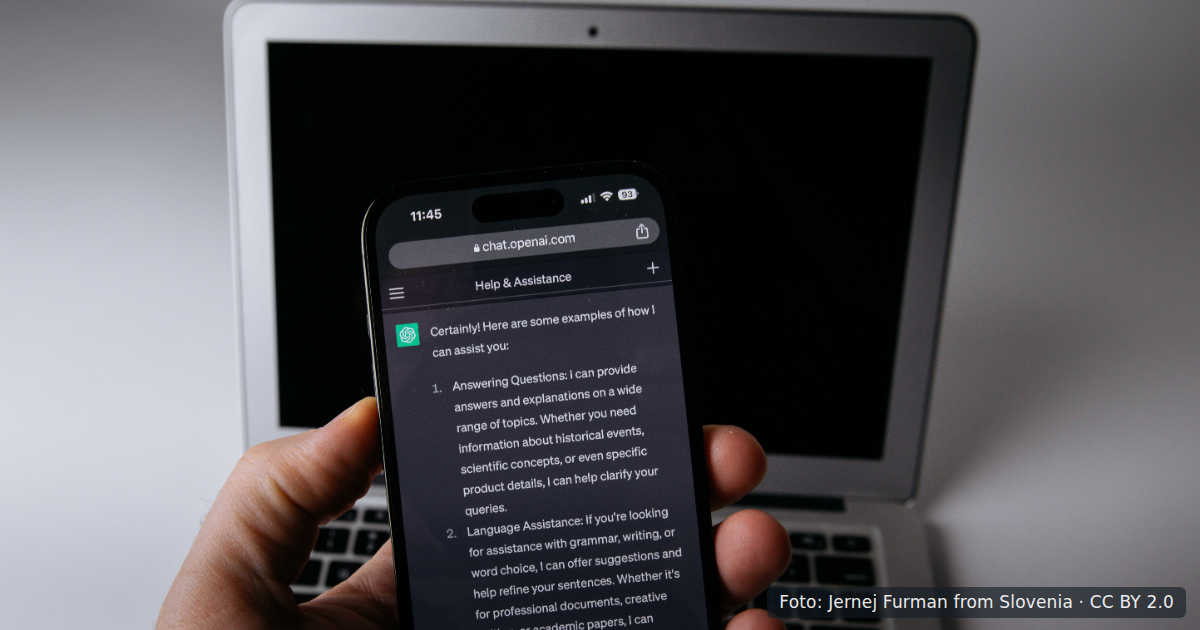
Someone looking for a photographer now types their question into ChatGPT as easily as into Google. "What does a wedding photographer cost." "What does it cost to have a website built." Brussels has now put a stamp on that: ChatGPT is officially a very large online search engine. It sounds like Brussels paperwork. It is about the place where your clients find you.
What Brussels actually decided
The European Commission has designated ChatGPT as a 'very large online search engine' under the Digital Services Act, VLOSE in the jargon. That puts it under stricter supervision, with tighter rules on competition and transparency. Emerce wrote up the decision.
For Brussels, ChatGPT is now a search engine with the same duties as the big players. That is how people have been using it for a while already.

Why this touches your visibility
Google gives you a list. You can look at ten results, click through and compare for yourself. In a chat you usually get one answer, with a couple of names in it at most. If your name is not among them, you do not exist for that searcher.
That puts your visibility back in the hands of a single party. First the question was how to get to the top of Google. Now there is a second gatekeeper, with rules you cannot inspect. The supervision from Brussels is about transparency, and that is exactly what is missing right now: nobody can check why one business gets named and another does not.
First work out what being found already costs you
Before you do anything new, pull up the bill for the old. Put on one sheet of paper what you pay per year to be found:
- your website: build, hosting, maintenance and the changes in between
- your SEO agency, or the loose hours you outsource for it
- ads on Google or social
- the tools that take something off your account every month
- the hours you put in yourself, at your own hourly rate
Add it up per year. That figure is your starting point. Type in what a website costs to build, or what outsourcing your marketing costs, and you get amounts flying off in every direction. Your own sum is the only number that is about your business.
Then put next to it what came back. How many enquiries arrived through those channels, and how many of those became clients. If you do not know that, you do not know what it is worth either.
What I would do tomorrow
Three things, and none of them costs money.
Make sure the facts about your work sit somewhere that belongs to you. What you do, for whom, in which region, roughly what it costs, how someone reaches you. In plain sentences. A language model reads those as well as a person does, and woolly marketing language gives it nothing to hold on to.
For the next month, ask every new client how they found you. Write the answer down. After ten clients you know more than any report will tell you.
And do the sum. If it comes out in your favour, nothing changes and you can carry on calmly. If it comes out badly, you know what to stop first. With me it is one subscription of 35 euros a month, cancellable monthly. If the sum comes out badly for me, I say so before you pay. Sometimes my answer is: do not do it.
Frequently asked questions
Do I have to rebuild my website for ChatGPT now?
No. A rebuild solves nothing here. Make sure your trade, your region, an indication of your prices and your contact details are on your own site in plain sentences, at an address that belongs to you. That helps with every search engine, including the old one.
Can I see how many clients reach me through ChatGPT?
Barely. Often there is no click and therefore no line in your statistics. The only reliable method is asking the client at first contact. Note the answer somewhere you will find it again.
Does this make my SEO agency pointless?
Not automatically. Do ask what it delivered in enquiries over the past year, and set that against the invoice. If you do not get that answer, you know enough to open the conversation.