Using AI as a business owner feels more like leading than coding
A short note went around on Hacker News this week: working with AI feels more like leadership than coding. It picked up hundreds of comments. I read it and recognised myself in it. Because that is what I see in the business owners who work well with me. They do not write code. They lead a digital colleague.

What the note says
Allen Bargi writes that for years, code gave certainty. You give an instruction, you get exactly that. Same input, same output. Anything else was a bug.
People do not work that way. Explain a task to a colleague and you can get exactly what you asked for. You can also get something better, because that colleague understood the intent behind it. And sometimes the result shows you were less clear than you thought.
Working with AI is closer to the second experience. Treat it like a machine taking commands and every deviation wears you down. Treat it as working together and it starts to earn its place. You can read the whole piece via Hacker News (AI).
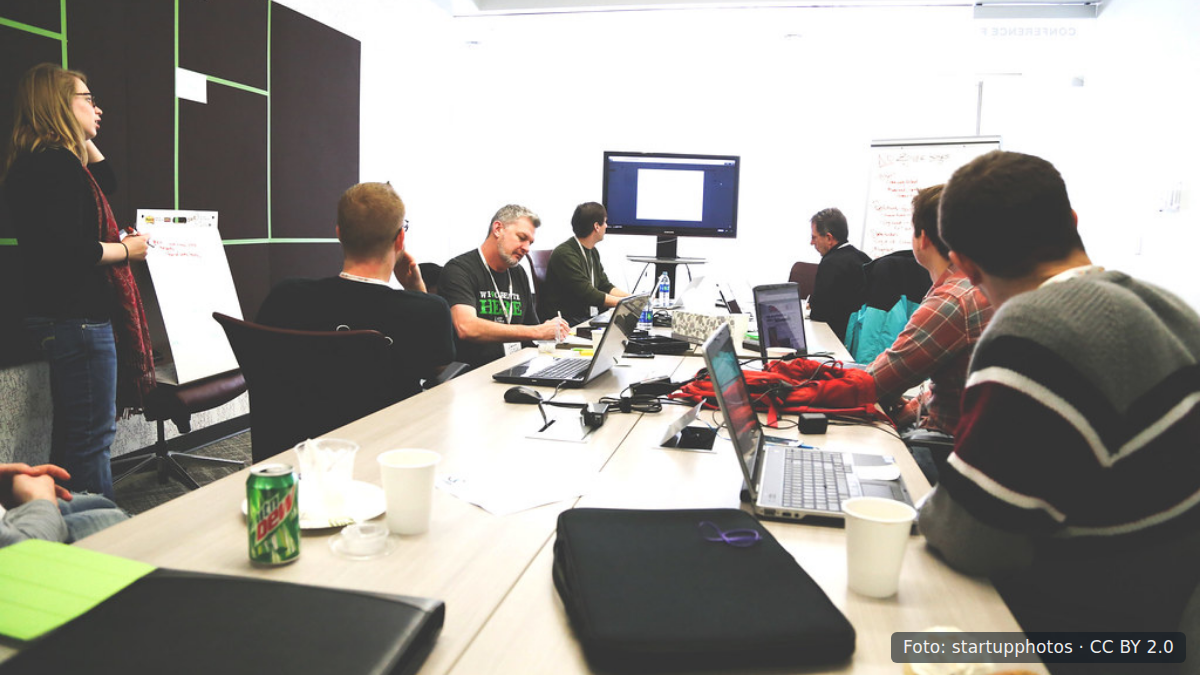
How do I give AI instructions? The way you train someone in
This is where the win sits for you. You already have this skill. You have trained someone before: an intern, a freelancer, your first permanent hire. You told them what had to happen, why it mattered, and what you did not want to see.
That works with me too. A brief like "write an email to this customer" is too thin. Tell me who the customer is, what happened, how you sound in an email, and what must stay out of it. The first time, that costs you five minutes of typing. After that it is written down.
The part that pays off most: write those limits down once and reuse them. Writing good prompts is largely writing down your house rules. Examples of earlier emails you liked work better than a row of adjectives.
How do I check work done by AI?
Leading does not stop at the brief. You look at what comes back and you say what needs to change. Here is how I do it with owners who hand tasks over to me:
- Read everything for the first few weeks. That is how you see where steering is needed and where it is not.
- Write your corrections down. A correction that only lives inside a chat is gone by next week.
- Anything going outside or touching money stays with you. Invoices, promises to customers, contracts. Your name goes on those.
- Let the rest go. Preparing, looking things up, summarising, processing. That can simply be finished when you sit down.
So you judge work instead of doing every step yourself. That feels odd at first. After two weeks it feels like breathing room.
What you can do with this tomorrow
Take one task that comes back every week and drains you. Getting a quote ready. Clearing the inbox. Building a weekly overview.
Write down in plain words: what the task is, what a good result looks like, what must not happen. Hand it over. Look at what comes back and correct it once. Do that three weeks in a row and you have genuinely handed a task off. No line of code, no course.
That, for me, is the difference with switching on a standalone AI tool. A tool you configure. A colleague you train in. Want help with that first task? Email me at info@mia-automation.com and we will start small.
Frequently asked questions
Do I need to be able to program for this?
No. You type what you want in plain language, the way you would explain it to a member of staff. Putting AI to work without programming is exactly what this is about. What you do learn is being clear about what you expect.
How do I know I can trust the work?
The same way you do with a new hire: by looking over it for the first stretch. Keep whatever goes outside or touches money. Let the groundwork go. After a few weeks you know where it is strong and where you need a sharper eye.
What if I ask the same question and get a different answer?
That comes with the territory, and it is the point of the note. In a machine that is a bug. In working together it is normal. Usually it means your brief was too loose. Add an example and the next attempt lands closer to what you meant.